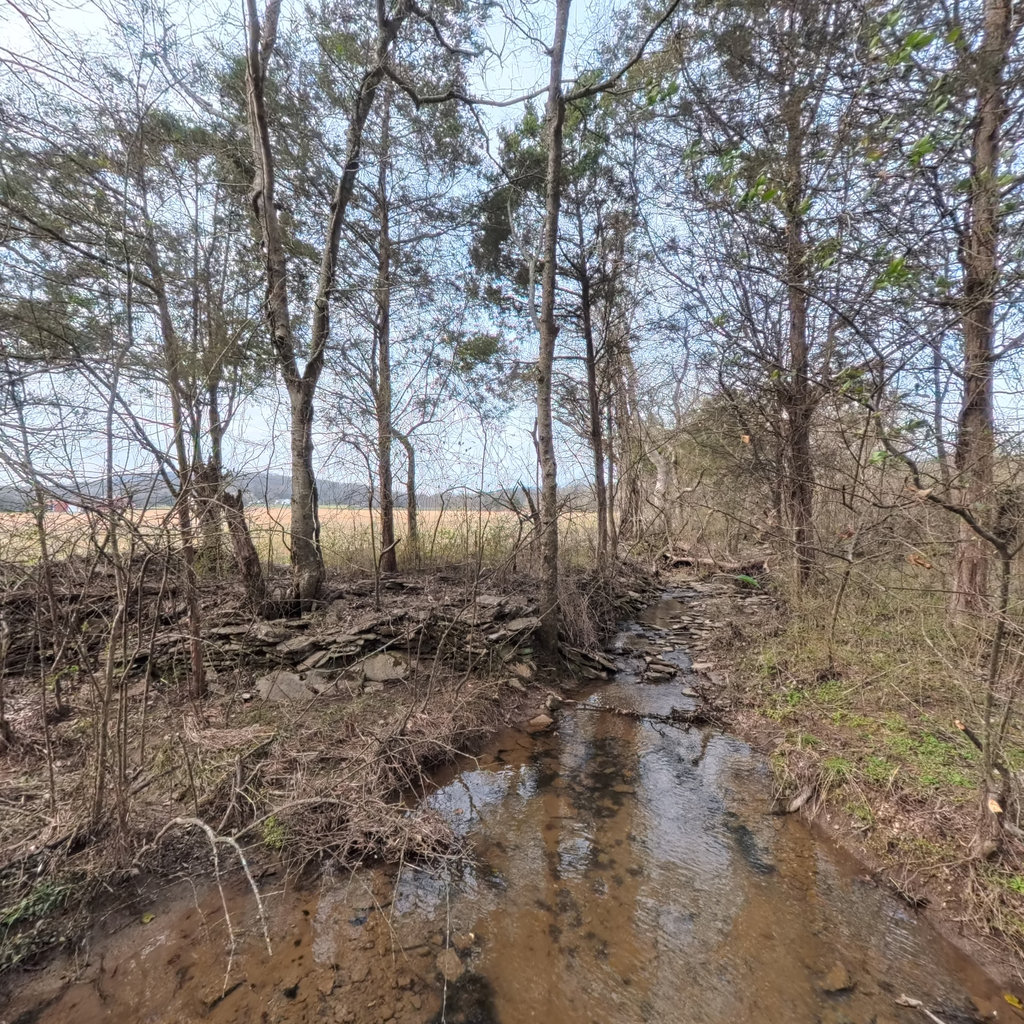
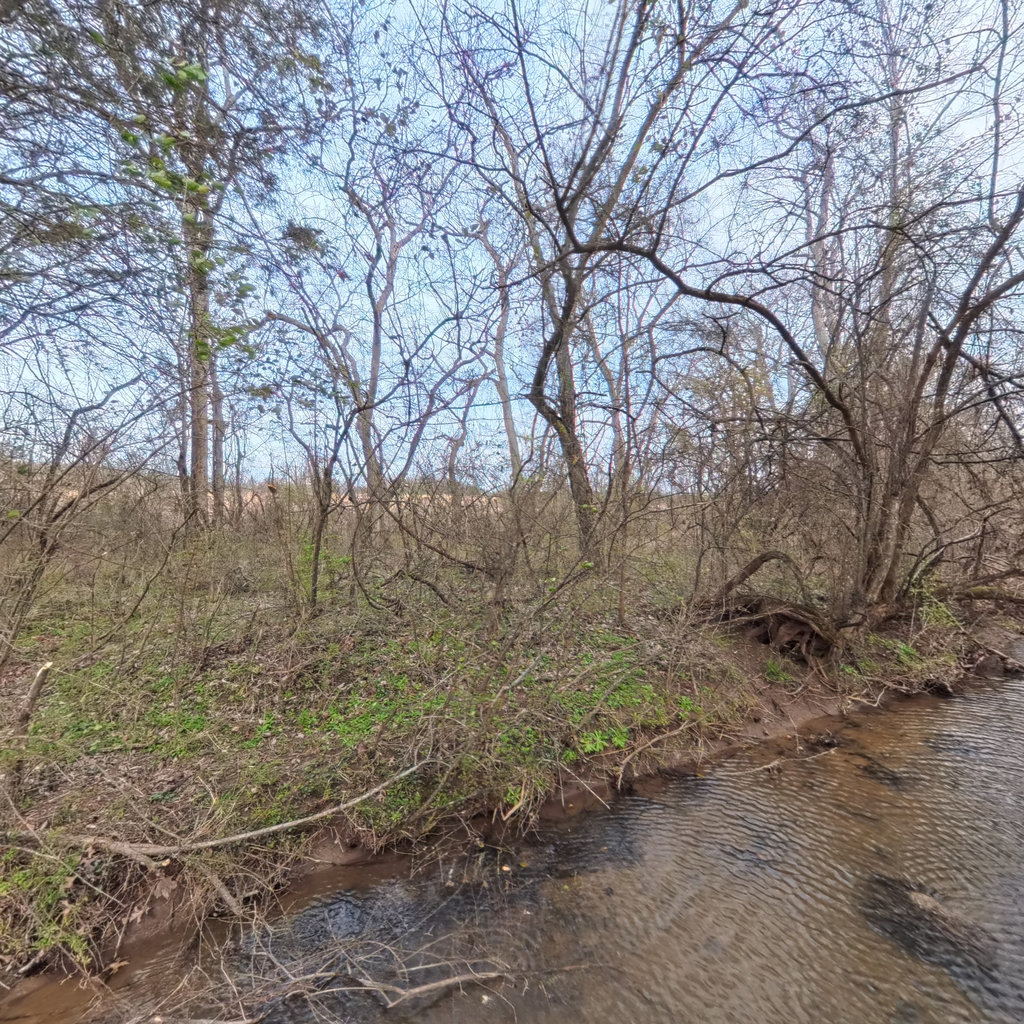
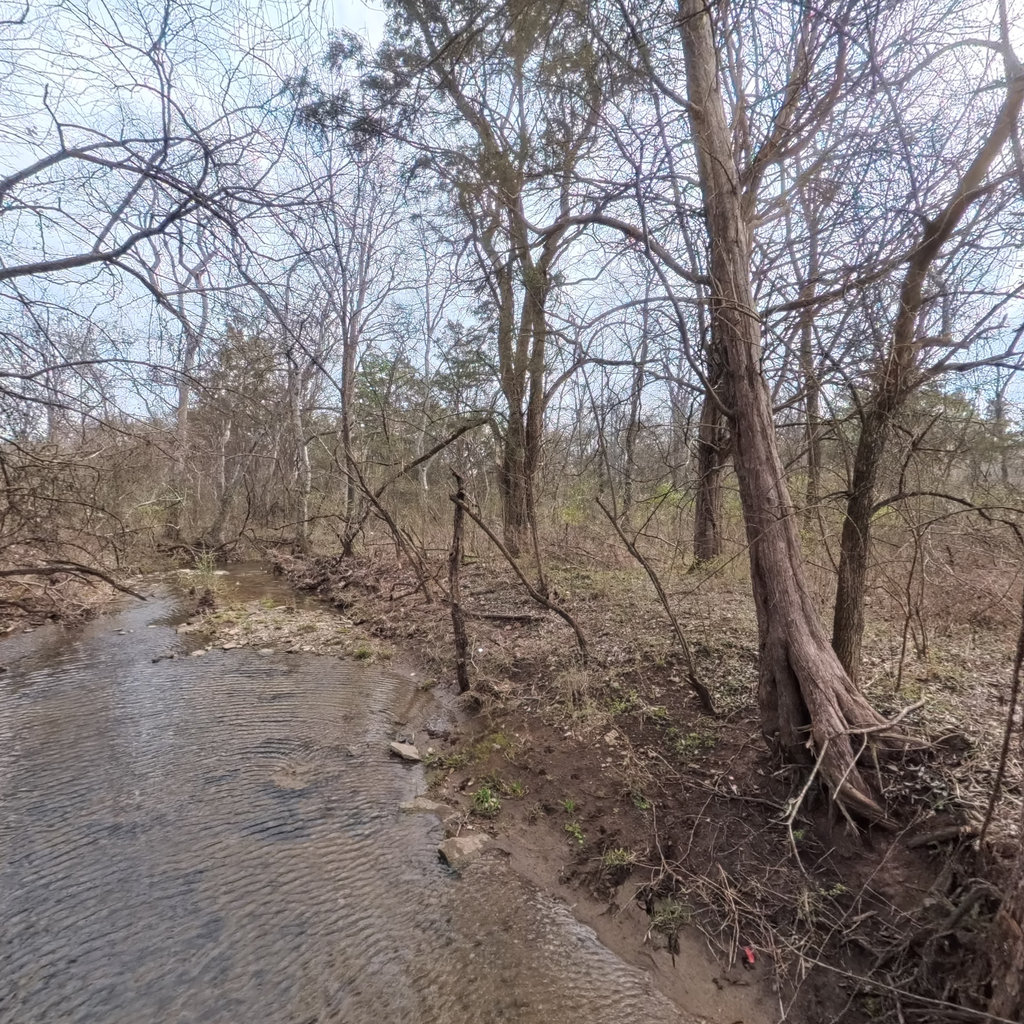
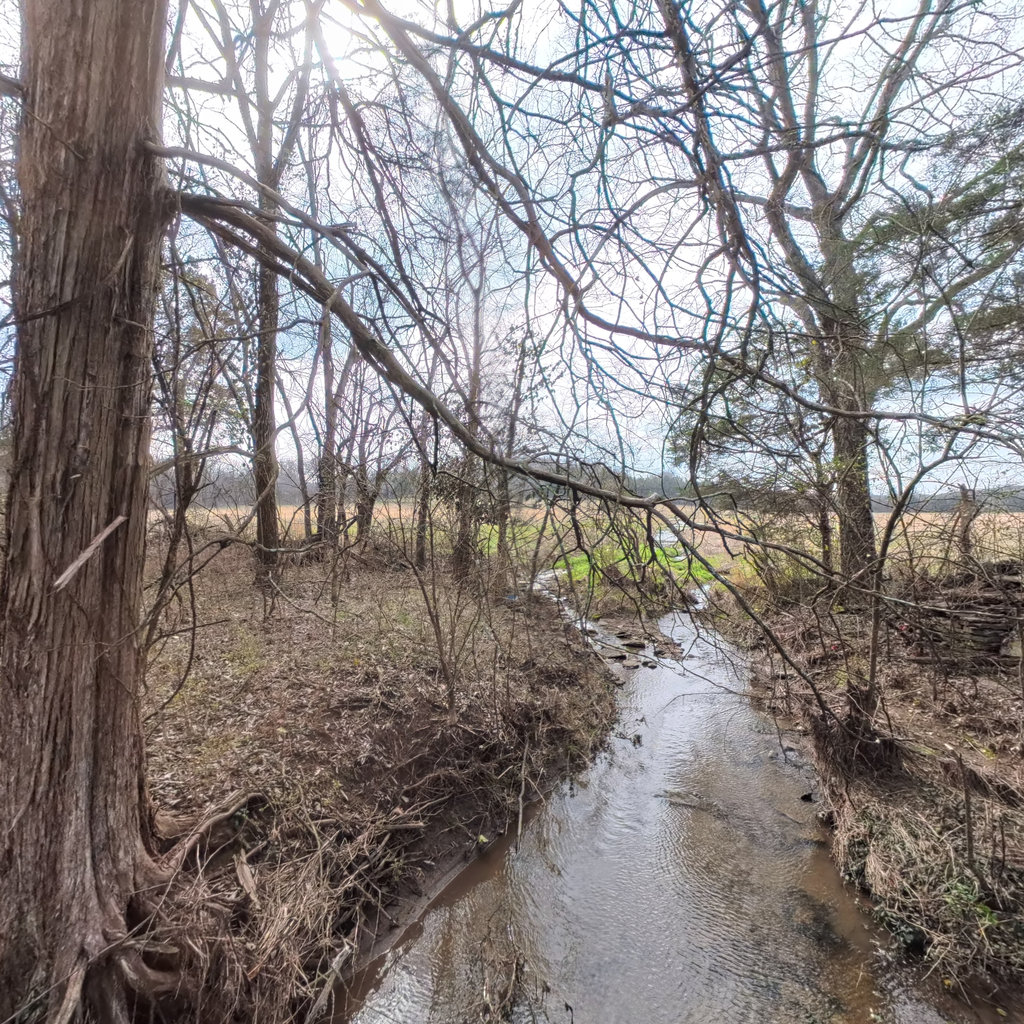
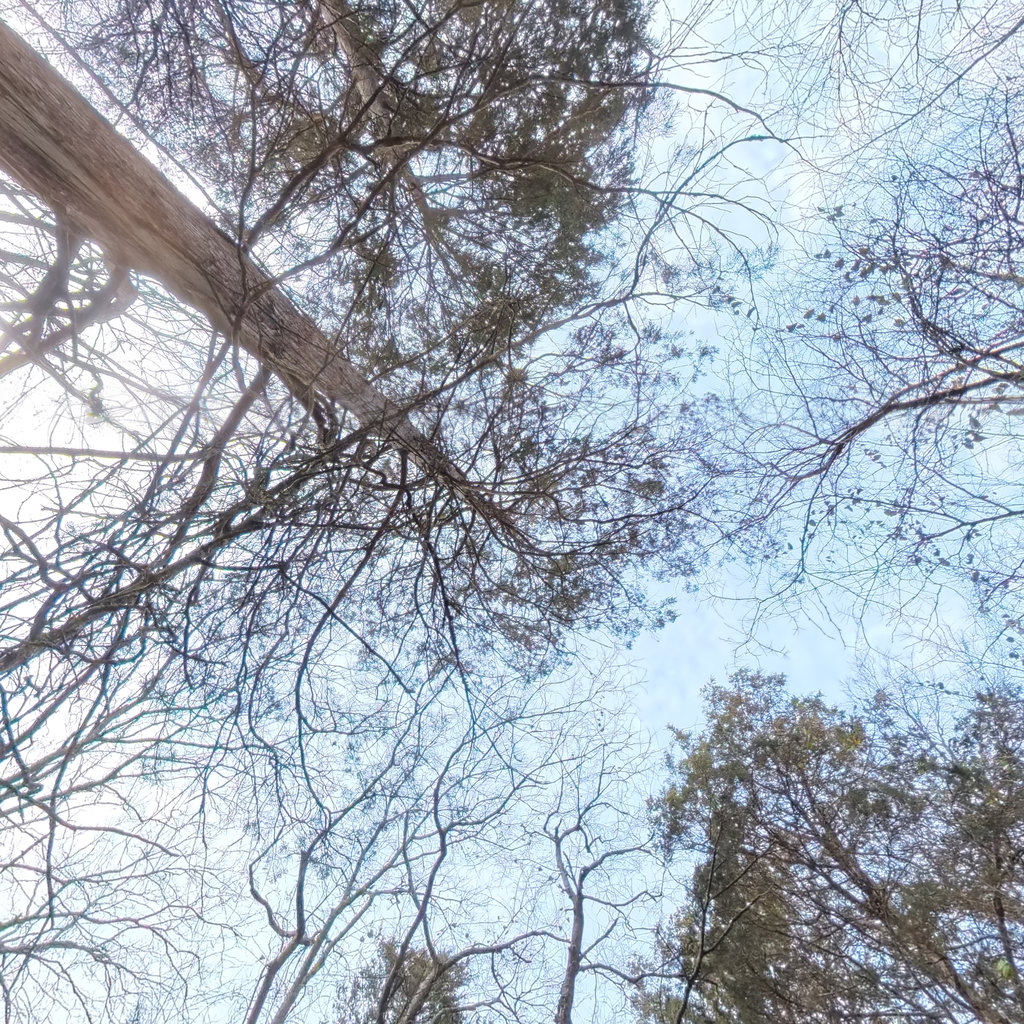
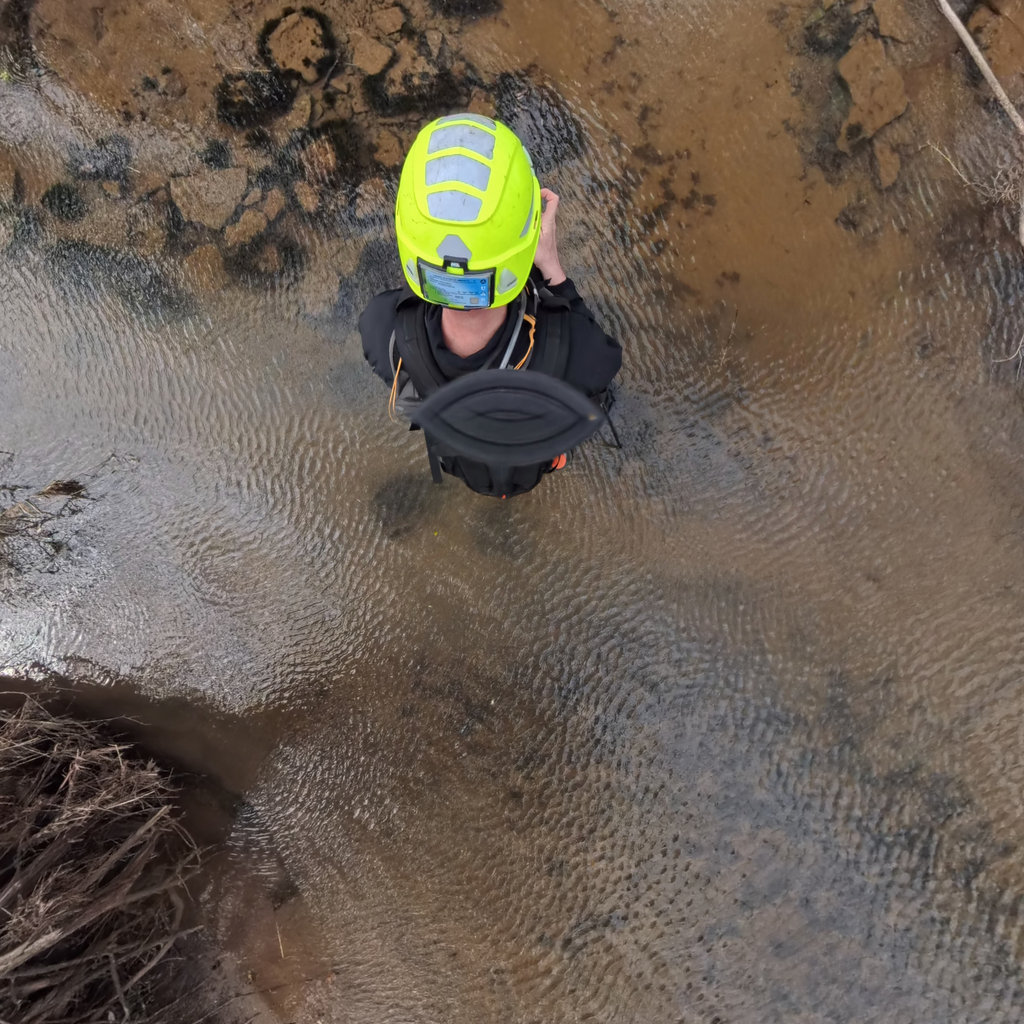
A real example: one captured scene, six cube faces, read against the MS4 stream-assessment protocol.
Each protocol encodes an established standard, so the output drops straight into your reporting, not a black box. These four run in production today — but they're a floor, not a ceiling: if you can define a model, we can run it on the imagery.
USDA SVAP, EPA Rapid Bioassessment, and MS4 permit requirements in one pass — channel geometry, bank stability, substrate, riparian buffer, and automated outfall detection for IDDE compliance.
Head cuts, bank undercutting, mass wasting, and deposition — each classified by severity with cost-ranked remediation priorities for NPDES documentation.
The National Park Service VRI methodology — landform, vegetation, water, color contrast, and cultural modifications across all six directions, scored on the official 5×5 scale.
Launch and takeout suitability, parking, ADA compliance, amenities inventory, and safety hazards like hydraulics and strainers, with improvement recommendations.
Stormwater permits require every outfall to be inspected and documented on a recurring five-year cycle. We capture your whole system once — every outfall, inlet, culvert, and stream reach in 360° — and the model returns permit-ready stream assessments and an outfall inventory you can file. Then we come back each cycle, so you hold a living visual record, not a one-time snapshot.
Compliance-software vendors hand you a database to fill in yourself. We document the condition of the water itself — USDA SVAP, EPA Rapid Bioassessment, and illicit-discharge (IDDE) screening in one pass, exportable straight to your GIS.
High-resolution panoramic imagery at regular intervals, each scene tagged with GPS, elevation, and bearing.
Each panorama is projected to six cube faces at 4096² px so fine detail survives the analysis.
Every face is read by a frontier vision model against methodology-specific prompts, then synthesized to site-level metrics.
Results stored as structured JSON, exportable to GeoJSON for GIS or queried via API.
Objects detected per scene drive automatic spoken descriptions.
See the same place change across capture dates.
Research-grade iNaturalist data, in the scene.
The same vision models, running live on fixed and mobile cameras with realtime data, for the sites you need to watch continuously.
Locate and inventory outfalls, inlets, culverts, and drainage assets across an entire system, with conditions documented for permit reporting.
Index scenic and visual resources along corridors to support land-use planning, NEPA, and permitting.
Detect signs, guardrails, culverts, and infrastructure across miles of corridor automatically, no crew at every mile.
Generate ADA-compliant descriptions for tens of thousands of scenes automatically, instead of captioning each by hand.
We deploy our vision models on your captures and satellite feeds, or train custom ones for your use case.
Start a conversation →