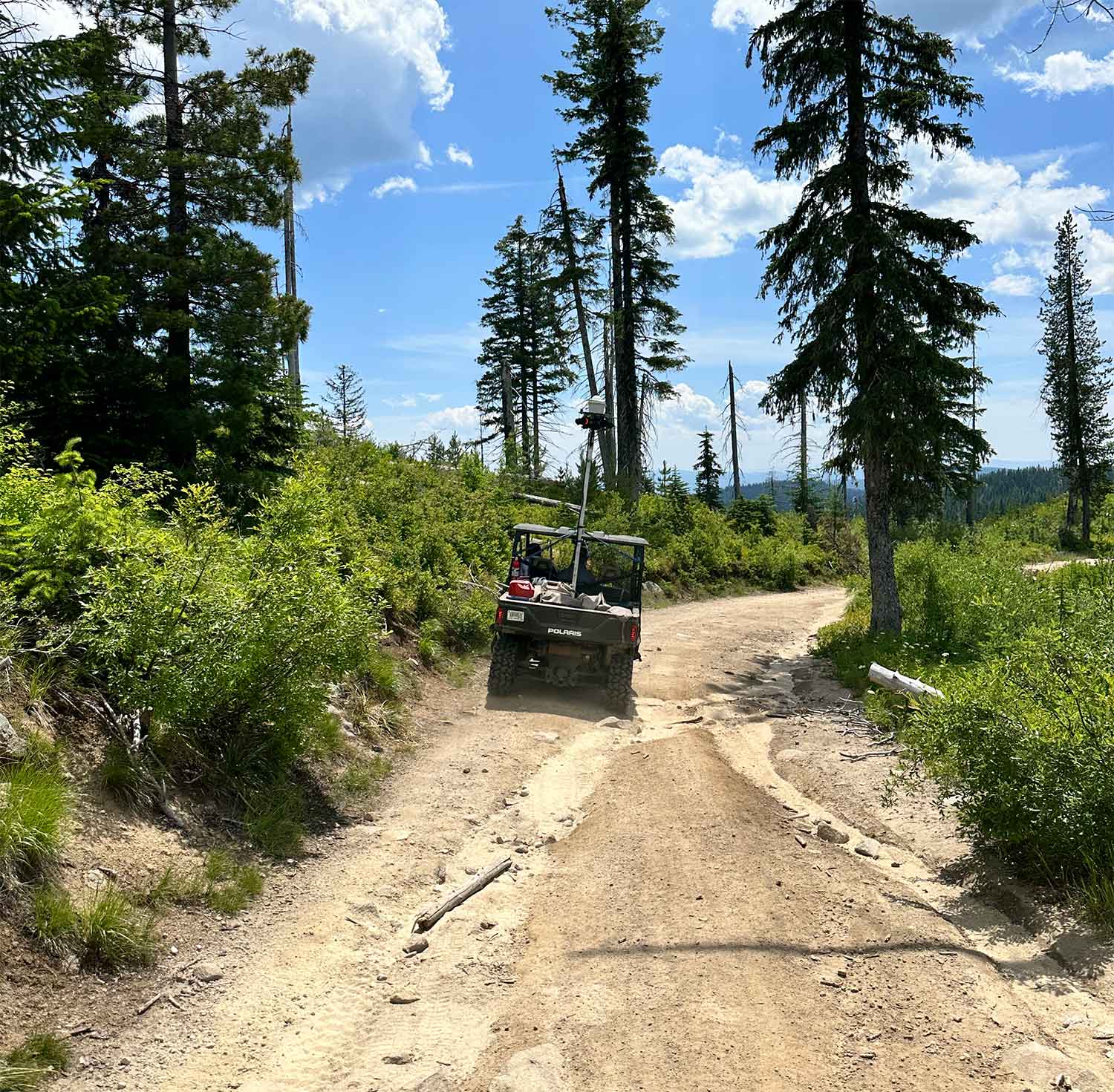
We capture, measure, and publish survey-grade immersive maps of trails, rivers, and waterways, all ADA-documented, GIS-ready, and delivered to your specifications. Satellite and aerial programs re-photograph the country on a schedule; the view at eye level, where assets fail, banks erode, and visitors stand, has no public program. We build that layer. Trusted by federal, state, and local partners.
Backpack, vehicle, and watercraft rigs capture continuous spherical imagery along any corridor, on land or water.
Each scene carries precise latitude/longitude, exportable to ArcGIS and any GIS workflow.
Vision-assisted audio descriptions and transcripts make every corridor accessible to visually impaired users.
Every scene read against your protocol and placed in the panorama as evidence to verify: MS4 stormwater, river access, visual resources, and readings built to order. Capture once, re-read on every cycle. See the Lens library →
Drop any map or trail into your own .gov or .org site as easily as embedding a video, with no API key required.
General and ArcGIS API access for integration into iOS, Android, and web applications, plus raw data exports.
We define the corridor, deliverables, and access points with your team.
Field crews collect 360° imagery and survey-grade GPS on site.
Scenes are stitched, geolocated, object-detected, and ADA-narrated.
Delivered on Terrain360, embedded on your site, or via API/GIS export.

The flagship corridor: 373 trails across 16 states tracing the expedition route, captured under two National Trails System awards with Terrain360 as prime recipient.
Read the story ↗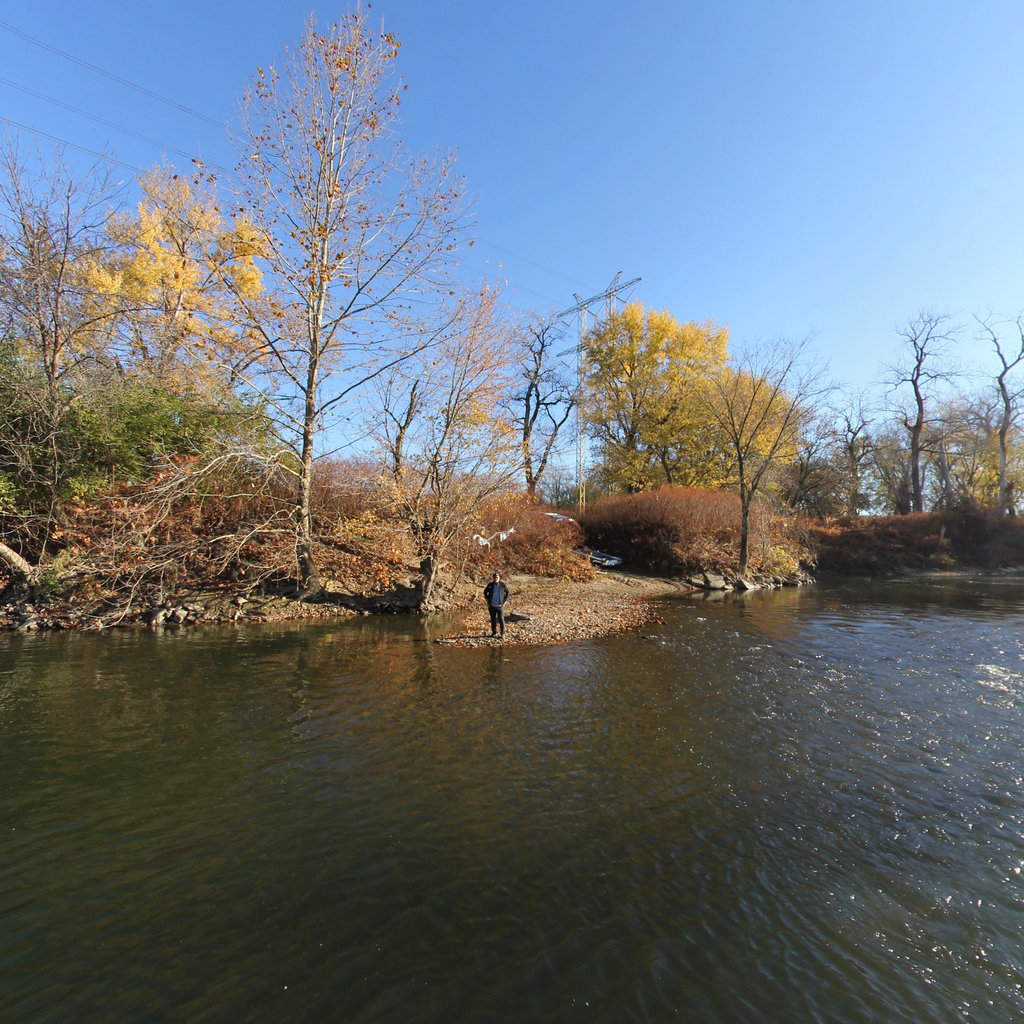
Street View for rivers: 33 miles of 360° stream, culvert, and bridge mapping across the Cuyahoga watershed, built for erosion monitoring, asset inspection, and maintenance planning.
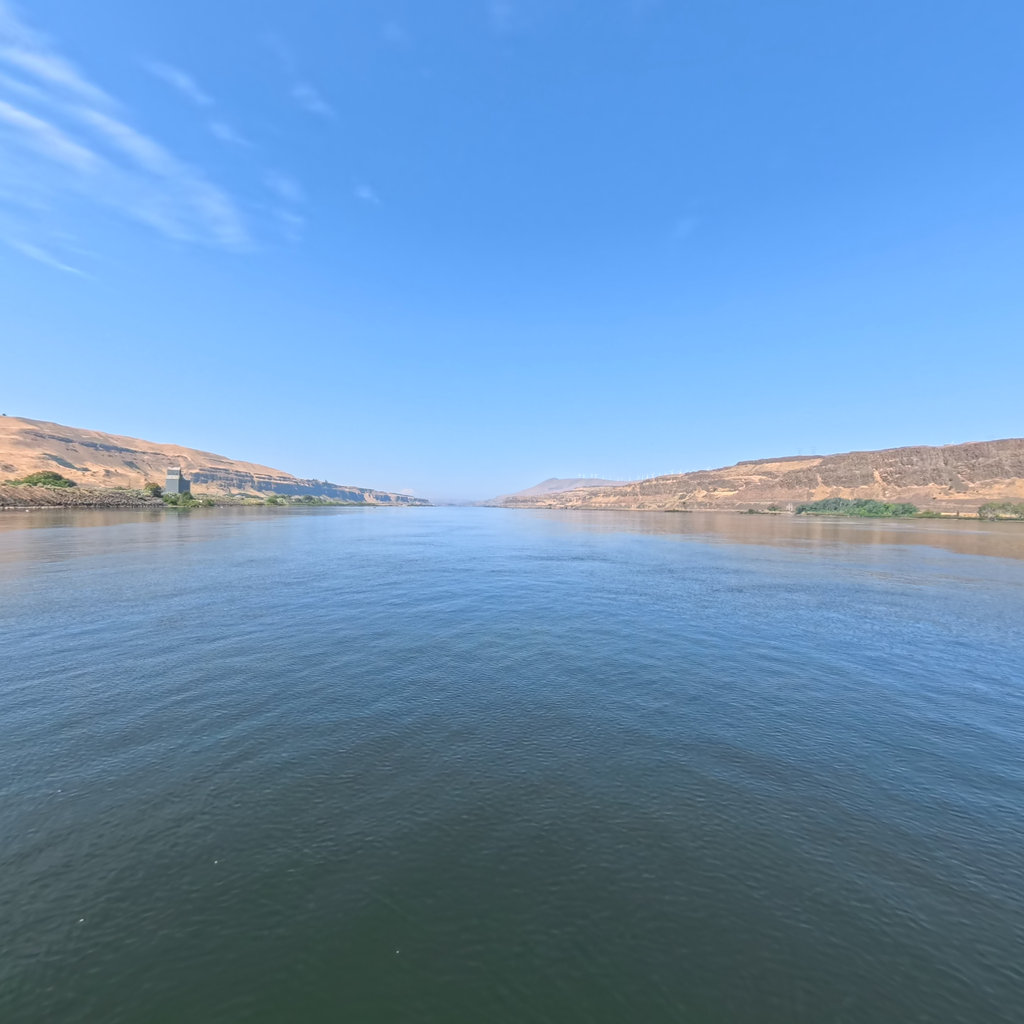
354 miles of the Columbia River corridor captured in 360° for the National Park Service, tracing the historic Lewis & Clark route from The Dalles downstream.
Read the story ↗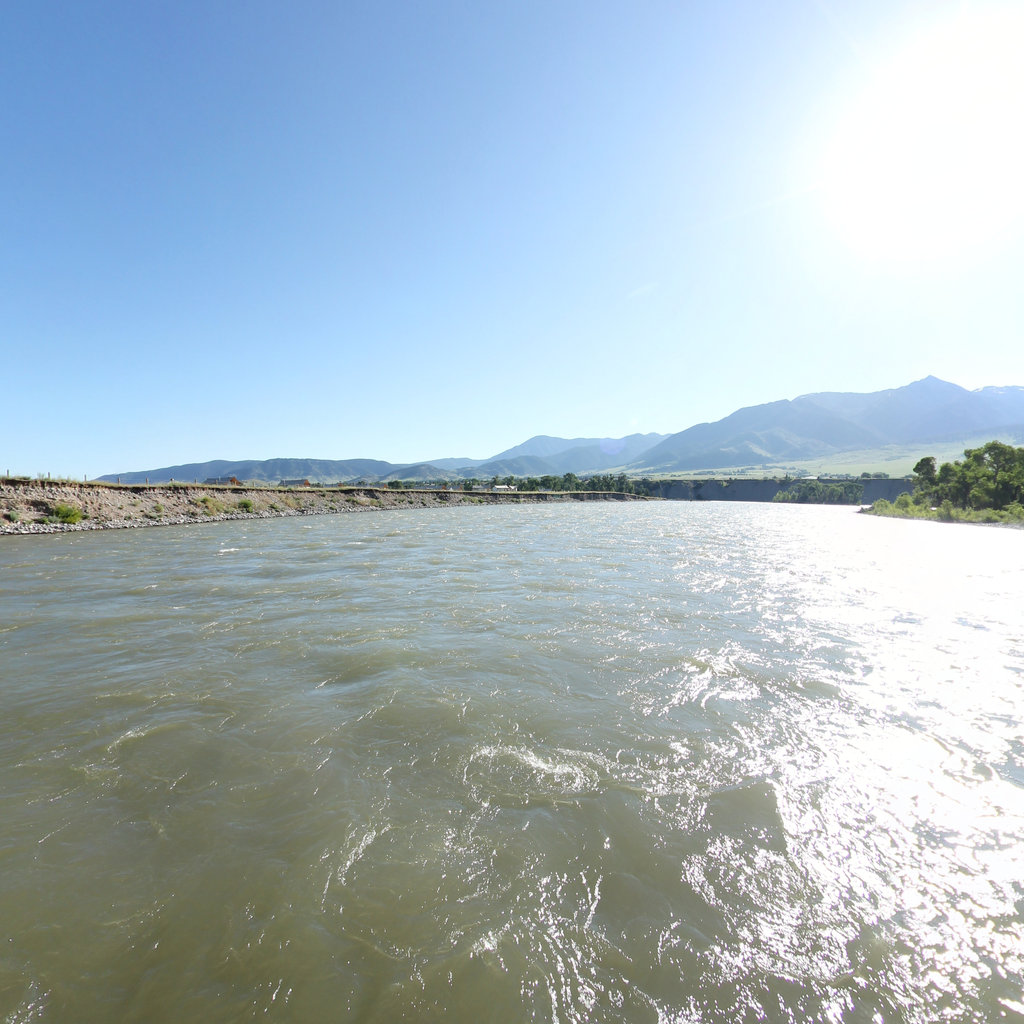
A historic mapping expedition with the National Park Service along the Lewis & Clark National Historic Trail, covering 509 miles of the Yellowstone River in immersive 360°.
Read the story ↗
Fifty-nine Revolutionary War sites and segments captured along the 330-mile route the Overmountain Men marched to Kings Mountain in 1780.

The longest developed rail-trail in the country: the Rocheport to Jefferson City stretch of the Katy captured in 360°, the first leg of a planned 240-mile corridor.
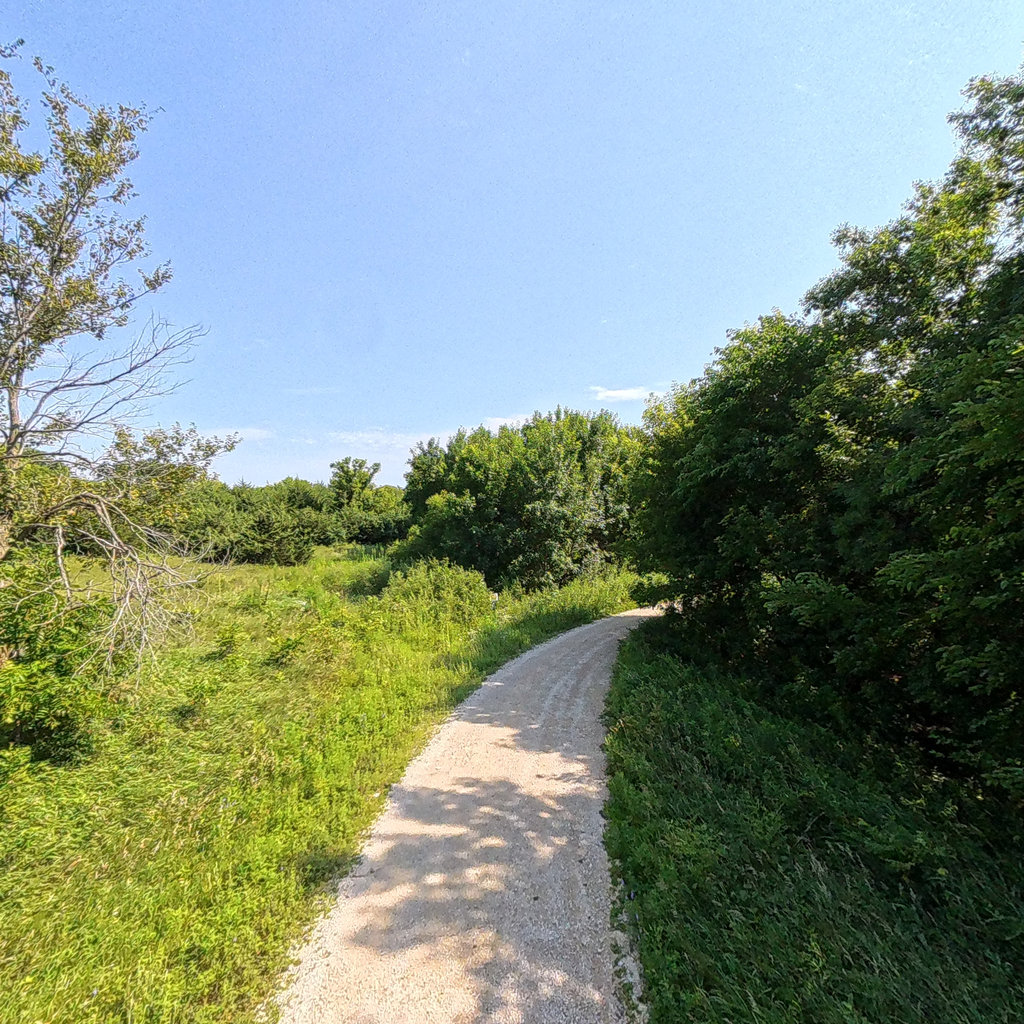
191 miles of the Des Moines River System, plus the Boone River and Lizard Creek, with 94 public access sites across 15 counties, captured for Iowa's newest state-designated water trail.
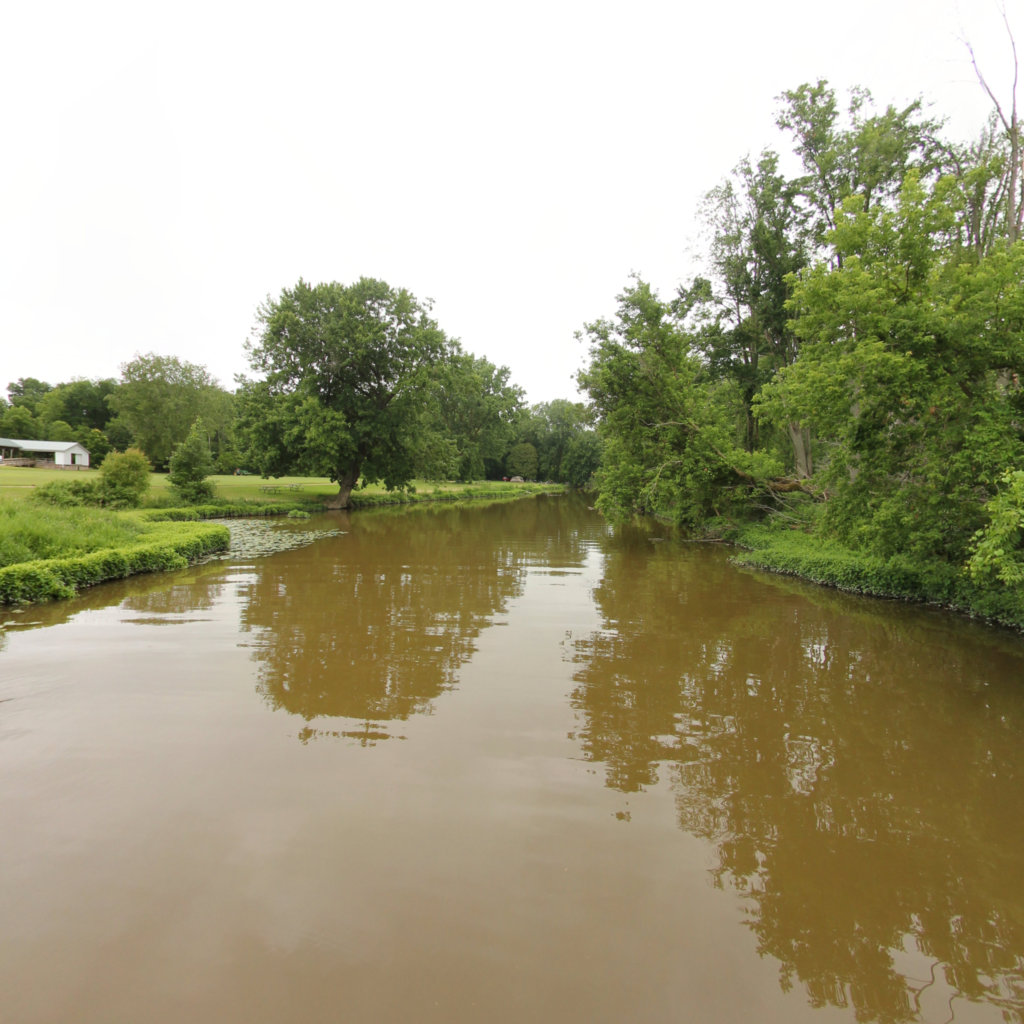
61 miles of the Cass River corridor mapped in 360° to support flood-risk planning and riverfront awareness across mid-Michigan.
Read the story ↗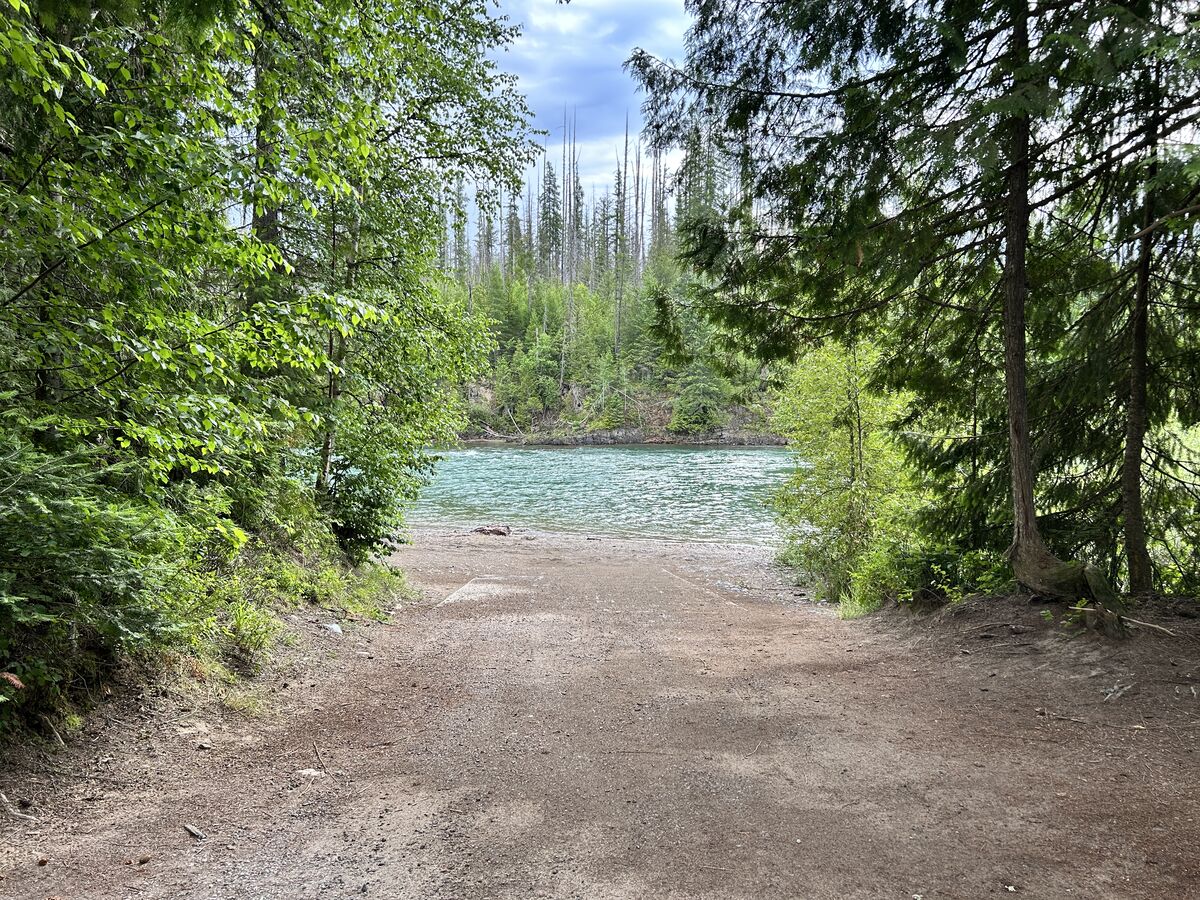
219 miles of Wild & Scenic river along the edge of Glacier National Park, the corridor that inspired the 1968 Wild & Scenic Rivers Act, captured at every river access site in 360°.
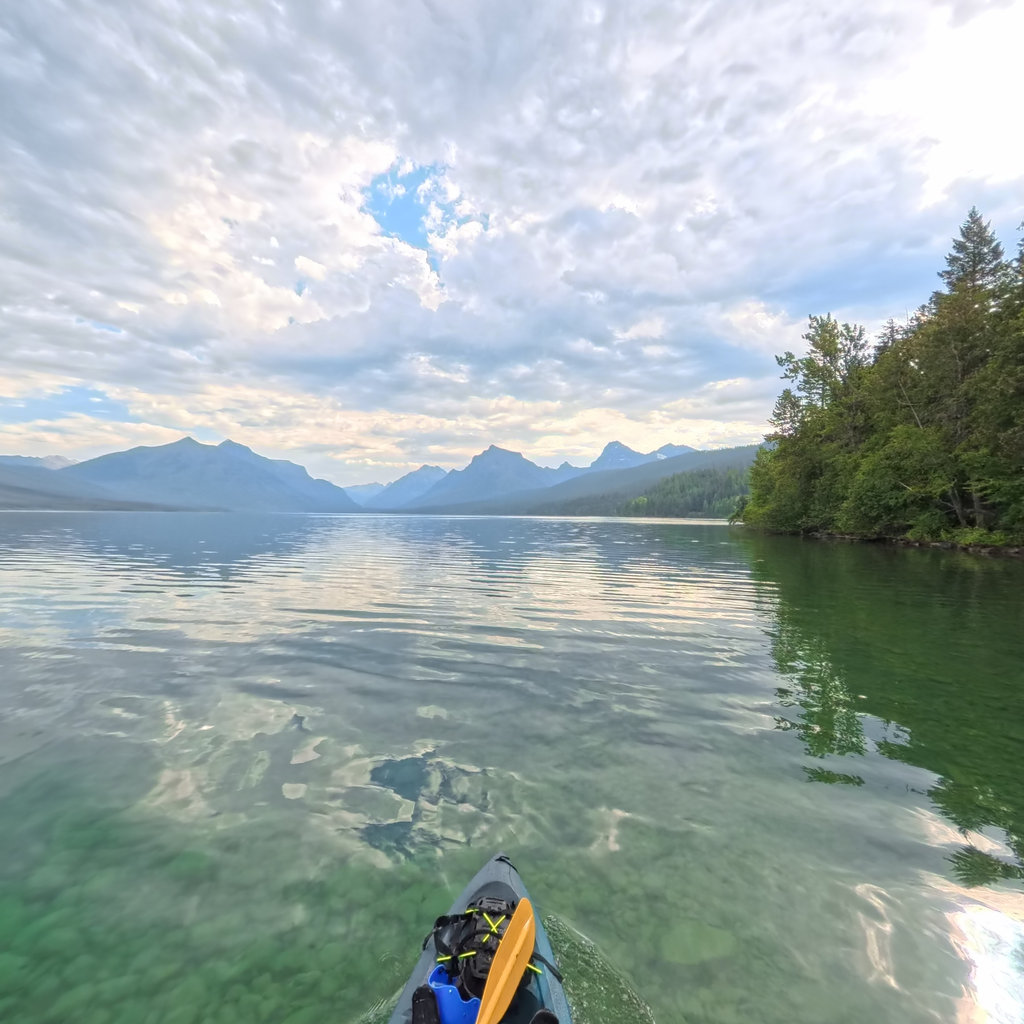
Lake McDonald and the park's river boundaries captured in 360° as the Flathead's comprehensive river management plan took effect, the monitoring baseline delivered on schedule.
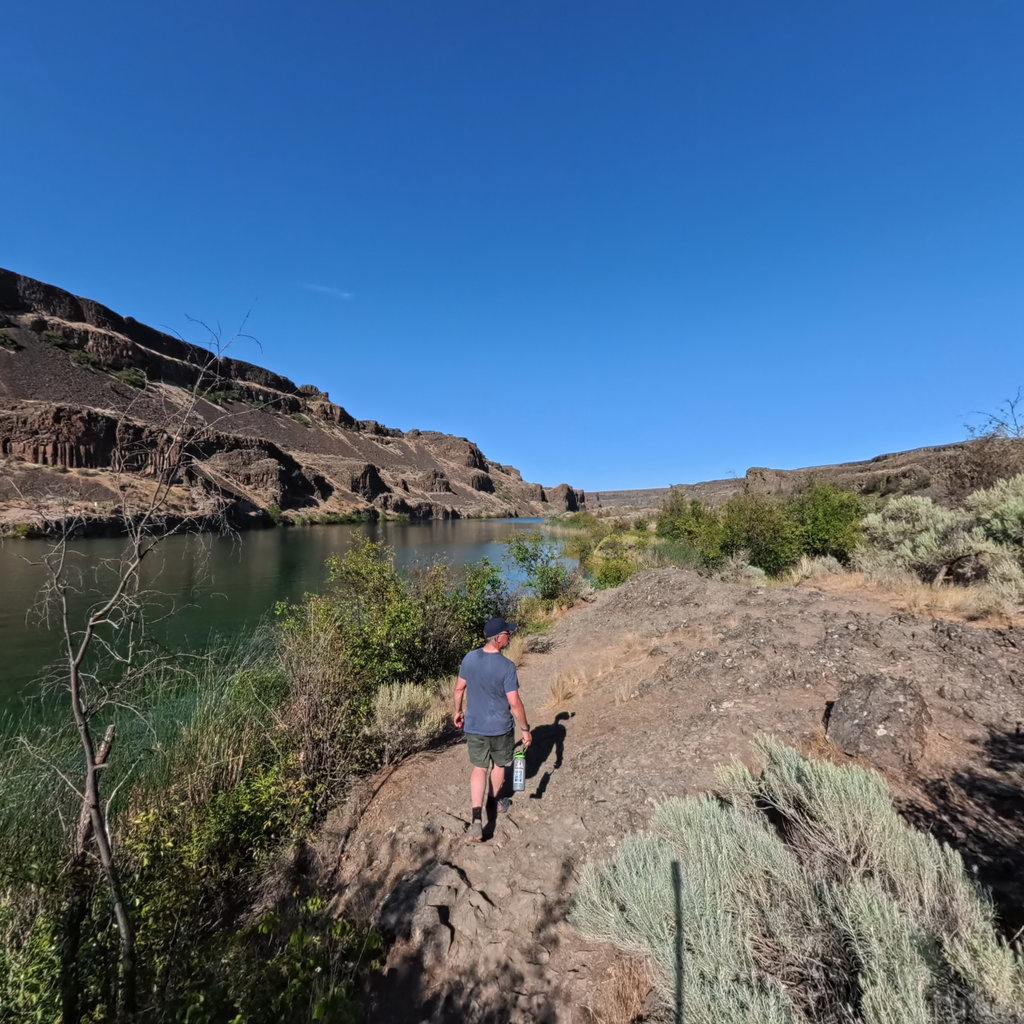
The Ice Age Floods Trail across the Pacific Northwest, captured in 360° and paired with a cinematic interactive map that reconstructs the glacial megafloods.
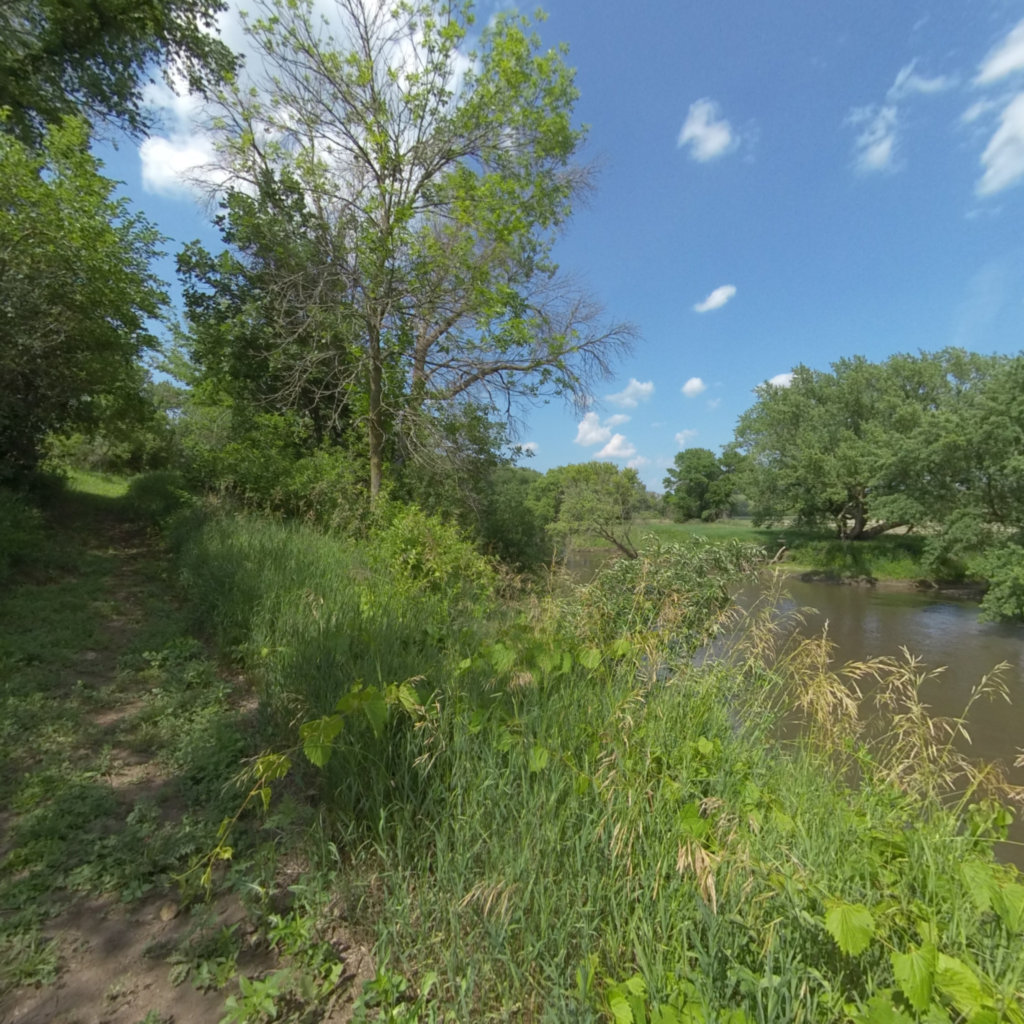
The historic Inkpaduta Canoe Trail: 194 miles of the Little Sioux River across seven counties, with every public access site mapped in immersive 360° and drone photography.

The confluence where the Jefferson, Madison, and Gallatin become the Missouri, captured in 360° at the exact point Lewis and Clark named the river's start.

Island to island toward Key West along the Old Seven Mile Bridge, part of a fleet-wide capture push across Florida's water trails, refuges, and coastal parks this year.

The Lake Okeechobee section of Florida's National Scenic Trail, captured atop the levee where the trail runs between open lake and canal for miles at a stretch.
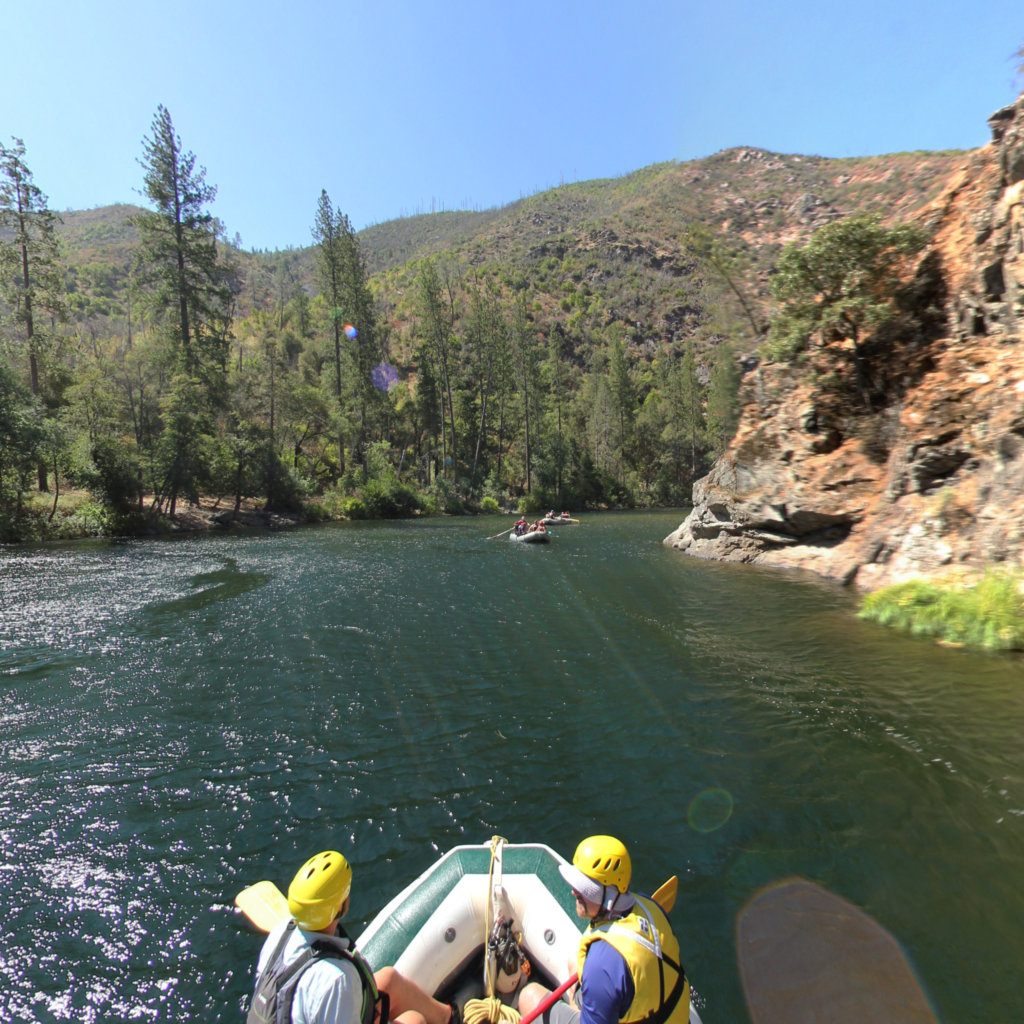
19 miles of California's Tuolumne, a federally designated Wild & Scenic River running from the Yosemite high country through the Sierra foothills, captured in 360°.
Story maps and 360° water trails for NOAA sanctuary communities, from Lake Huron to the Potomac. Built with the sanctuary teams and friends groups who interpret these places, and delivered on their sites or ours.
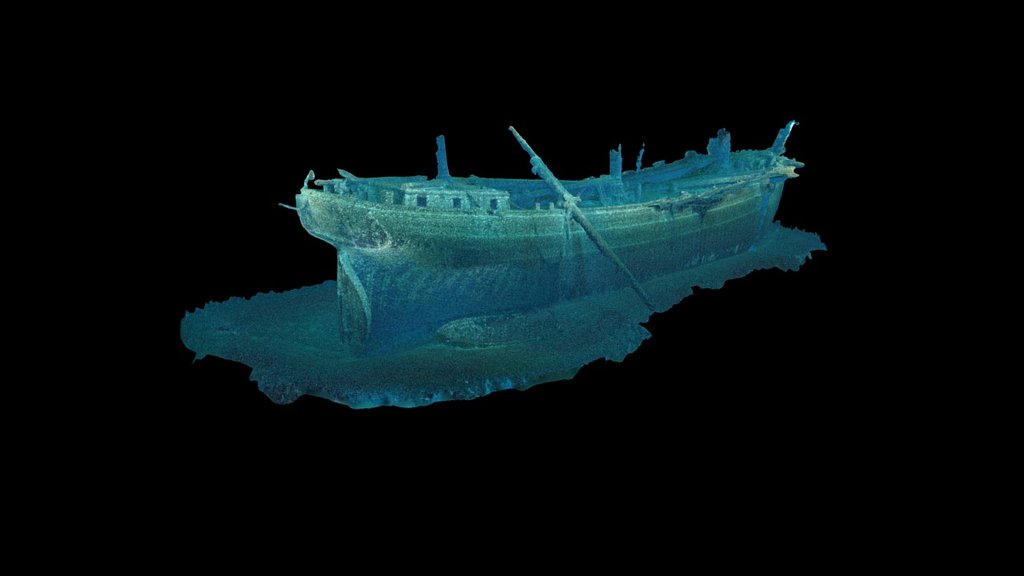
An interactive story map of Thunder Bay's Shipwreck Alley: 84 documented wrecks with 3D photogrammetry models, audio narration, dive information, and live lake conditions, plus deep story pages for six hero wrecks.
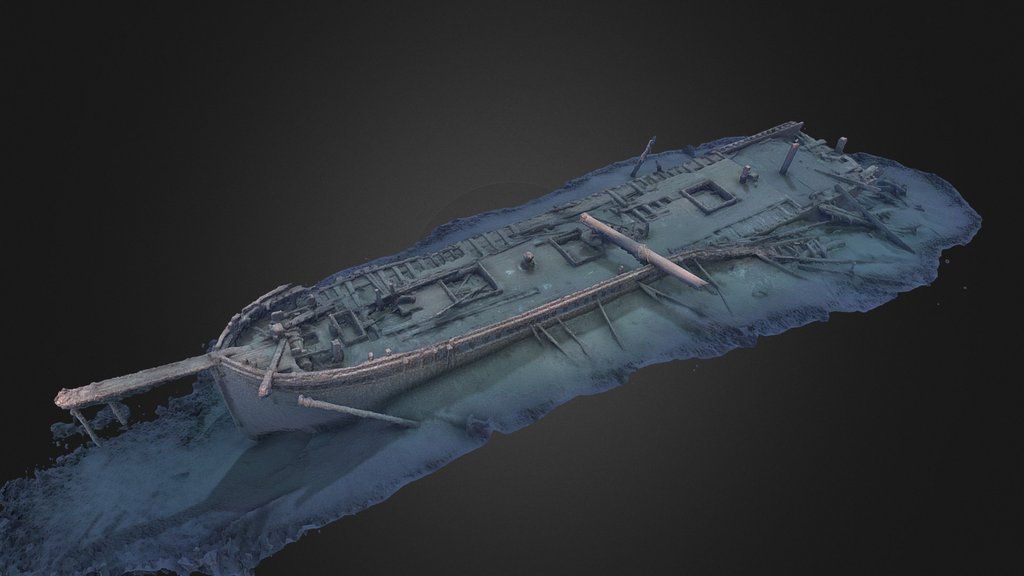
Designated in 2024, told wreck by wreck: all 54 known wrecks on an interactive timeline from HMS Ontario (1780) to a Cold War aircraft, with 3D models, audio tours, and live lake conditions.
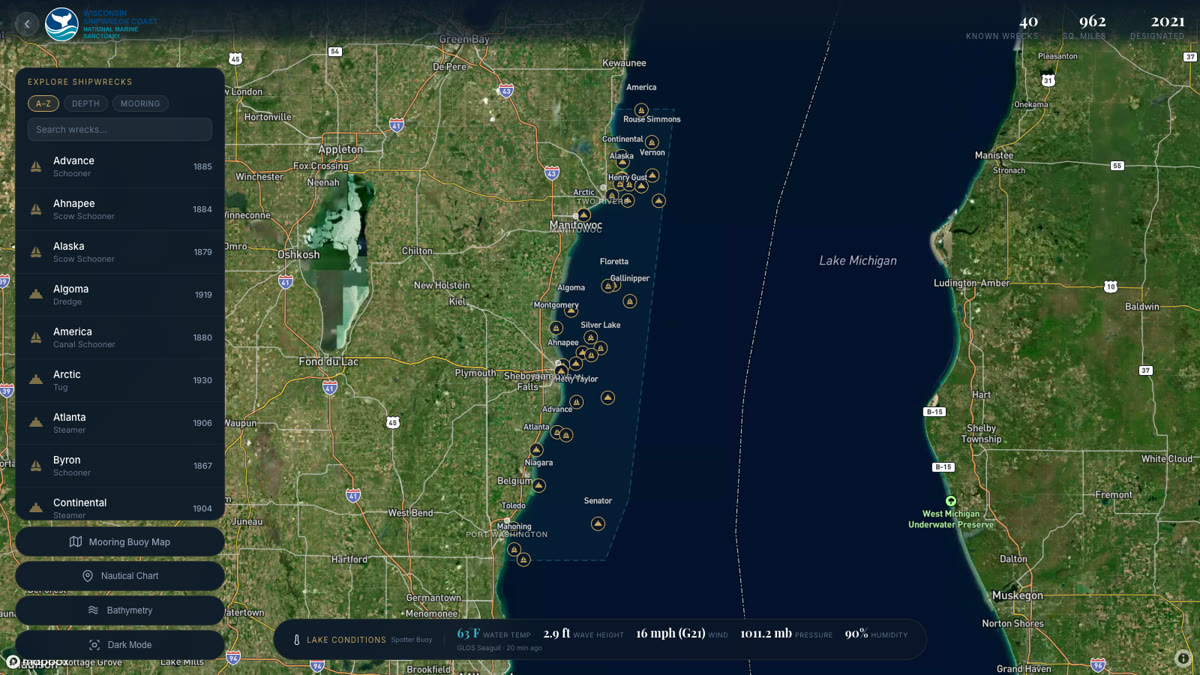
40 wrecks of the Lake Michigan coast on an interactive map with live buoy conditions, delivered on the friends group's own site with a built-in CMS the sanctuary team manages themselves.

The largest shipwreck fleet in the Western Hemisphere, paddled in 360° above the WWI Ghost Fleet. Captured in 2016 and again in 2023, a repeatable visual baseline for the sanctuary.
Terrain360 runs on a PostGIS backbone and works with Esri products every day. We consume ArcGIS Online services in production, deliver capture data in geodatabase-ready formats, and embed the 360° viewer anywhere ArcGIS can host one. Your GIS team gets data that drops into the stack they already run, not another silo.
Scene points, trail centerlines, and access sites delivered as file geodatabase feature classes, shapefiles, GeoJSON, or CSV, fully attributed and ready for ArcGIS Pro or your enterprise geodatabase.
Publish-ready packages for your ArcGIS Online or Portal organization: point and line layers with a photo link back to every 360° scene, symbolized and documented for handoff.
The 360° viewer embeds directly in ArcGIS StoryMaps, Experience Builder, and Hub pages, so your audience explores the corridor without leaving your Esri site.
We consume ArcGIS Online services on our own platform daily: World Elevation for trail profiles, hosted tile services for parcels and boundaries, and REST queries against partner feature services.
Every scene carries GPS, elevation, heading, and capture timestamp, and every trail carries length, location, and condition attributes, so joins against your existing feature classes are straightforward.
WGS84 native with reprojection on delivery, OGC-friendly exports, and REST/JSON APIs for anything a feature service doesn't cover. We match the schema and coordinate system your program already uses.
Tell us about your trail, river, or asset network and we'll scope a pilot.